The purpose of the Journal is to disseminate knowledge, experience, and best practice in engineering & manufacturing. The articles are written by practicing professionals in the Engineering City (EC). They cover issues relevant to their projects, operations, and organizations. The articles address the challenges of the time. As such, the Journal is also a chronicle of the evolution of the EC, its companies, and its individuals. It is the aim of the Journal to advance the engineering & manufacturing practice, to enrich the engineering & manufacturing community, and to contribute to the worldwide discourse in engineering & manufacturing.
Published by the Engineering Association
The Engineering City JournalIssue 4/2024Published by the Engineering AssociationYerevan, February 12, 2024
Ruben Simonyan from NIY has been assigned as Deputy Minister of the High Tech Industry
Ruben Simonyan - NIY
ՀՀ վարչապետ Նիկոլ Փաշինյանը որոշում է ստորագրել Ռուբեն Սիմոնյանին ՀՀ բարձր տեխնոլոգիական արդյունաբերության նախարարի տեղակալ նշանակելու մասին:
«Ղեկավարվելով «Հանրային ծառայության մասին» օրենքի 9-րդ հոդվածի 1-ին մասով՝ Ռուբեն Սիմոնյանին 2024 թվականի փետրվարի 1-ից նշանակել բարձր տեխնոլոգիական արդյունաբերության նախարարի տեղակալ»,- նշված է որոշման մեջ: Link.
EC Community News
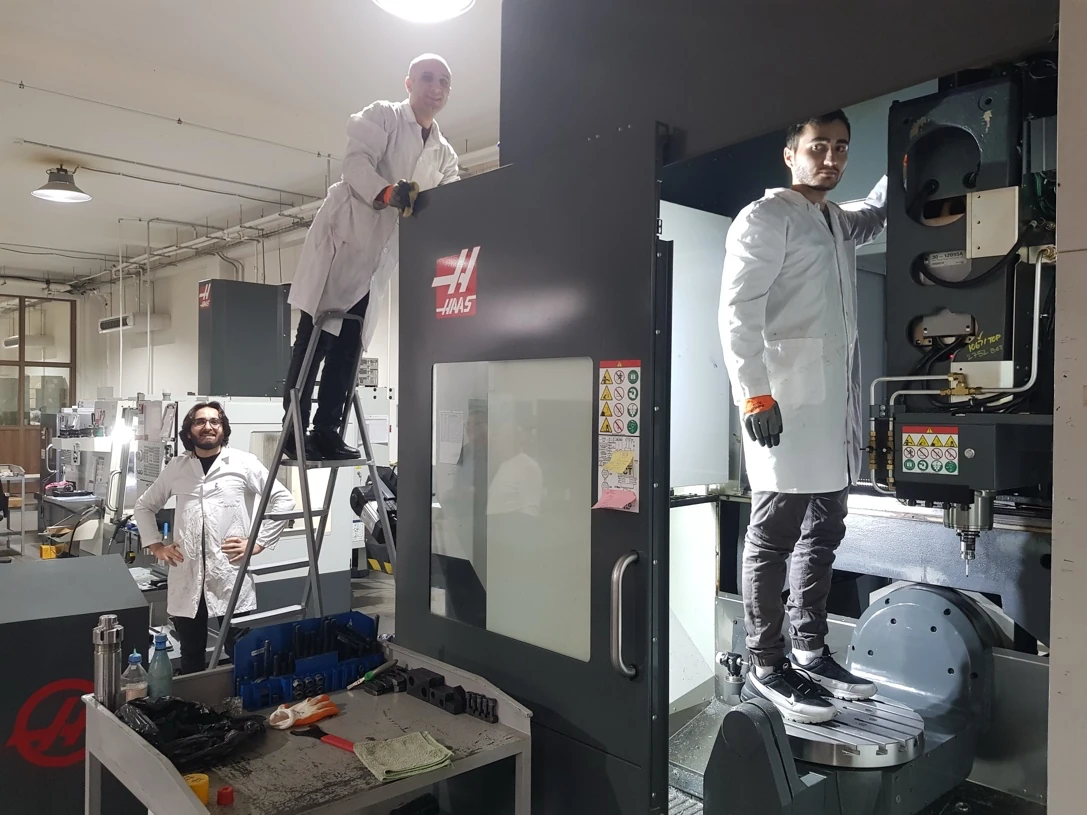
The Maintenance Process of the 5-Axis CNC Milling Machine
Pic.From left to right: Armen Arustamyan, Levon Zakaryan, Arsen PetrosyanEC Community News
Two Companies were ISO 9001-2015 Re-Certified
Two EC companies have successfully underdone the yearly ISO-9001-2015 certification process – Project Integration and YEA Engineering.
Musings Corner
Anatomy of Engineering Romanticism
by Rama, EA
We chose to become engineers with the burning desire to build things that work, then we went to university with the burning desire to learn how things work, then we joined companies with the burning desire to build things that work for society. This burning desire is what is called Engineering Romanticism.
In this article I would like to discern the anatomy of engineering romanticism in two great projects and pave the way for the third.
On December 1, 2023 the first Armenian-made satellite Hayasat-1 was launched from the Vandenberg Space Force Base. Hayasat-1 is a nano-satellite developed by Bazoomq Space Research Laboratory.
What is the anatomy of Bazoomq that made it possible to pull this off? We can see the following elements that made this happen:
Bazoomq is based on a small core team of enthusiasts.
The team has an Engine (leader).
Everyone in the team has a day job, and in the evenings and weekends, they get together to study and build space systems.
The team must be willing to read a lot, try a lot, and have a burning desire of Making it Happen.
Everyone can join the team although not necessarily for the whole time. People can join here and there; people may join and ten drop off. All this is welcomed. But the core team remains solid.
Bazoomq had a prior history based on a previous initiative called Armenian Aerospace Society (AYAS).
Their equipment base is very poor. Compared to what the EC has it is probably 1/1000.
I am assuming that to get funding for the launch they first created an Advisory Board of known individuals.
I am assuming that with such an endorsement they got the needed funding for the launch.
If we look at the actual project of building and launching the satellite then we see that the challenge was not an engineering challenge. Building a nano-satellite by itself is not a challenge. Many teams have done it. But deploying it into space is what no one in Armenia has done before. This is “Making Happen”.
Pic.The Project Lifecyle – from a burning desire to deployment into space.
Pic.Working in the clean room of the Physics Institute.
Pic.The export clearance officer had to do the clearance from inside the clean room.
Pic.Final test in the Netherlands for SpaceX certification.
Pic. To “Make this Happen” the above “firsts” had to be done. This is a lot of work that many avoided to do.
Having gone through all these hurdles and pains, they have established the precedence for other companies to follow suit. This is leadership. Had they stayed in the laboratory and got satisfied with just knowing, nothing real will have come out of it for the country. Now the gates have been opened for a whole roadmap of satellites.
Pic.This desire to “Make Happen” will have paved the way for a whole industry.
***
2. Kilika Boat
Here is another similar story where a core group of enthusiasts have done the impossible – building a real-size replica of a 13th century Armenia boat (the Kilika) and taking it on a sea-faring journey around Europe. It was sheer enthusiasm. If you look at their anatomy, you will find most of similar elements as in the case of the Hayasat-1 team. Here they are:
The Kilika team was based on a small core team of enthusiasts.
The team had an Engine (leader).
Everyone in the team had a day job, and in the evenings and weekends they got together to study and build the Kilika boat.
The team was willing to read a lot, try a lot, and had a burning desire of Making it Happen.
Everyone could join the team although not necessarily for the whole time. People could join here and there; people could join and ten drop off. All this was welcomed. But the core team remained solid.
The Kilika boat had a prior history based on a previous initiative called the AYAS Nautical Research Club. (Ironically, they are also AYAS as in the previous story. Except that if in the first story AYAS was an acronym, here it is about the medieval Armenian AYAS port on the Mediterranean Sea.)
Their equipment base was very poor.
I am assuming that to get funding for the sea-fearing journey they first created an Advisory Board of known individuals.
I am assuming that with such an endorsement they got the needed funding for the journey.
Pic.This wooden replica was done by many, but only AYAS succeeded in making the real replica happen.
Pic.A Core Group of enthusiasts and the Engine.
Pic.The “Making Happen” started with this single piece of wood.Looking at this piece of wood, the visionaries saw a whole boat fearing around Europe
Pic.Making the sea-faring around Europe Happen.Link.
***
3. EC Autonomous Shuttle (ECAS)?
Pic.The EC internal roads as an ideal site for an Autonomous Shuttle ProjectPic.The EC Autonomous Shuttle Concept (ECAS). (Picture from Bosch)
Imagine an autonomous shuttle slowly and continuously touring the internal EC roads.
Imagine that you can stop the shuttle at building 3 and ask it to drive you to building 21.
Imagine that a visitor came to the EC, got into the shuttle at the entrance and got off at building 7.
Imagine the impression that this will leave on the visitor about the engineering companies that work in the EC, about the EC culture, and about the EC students.
Imagine an engineering project that showcases all the capabilities of the EC companies.
Imagine the impression that this will leave on the aspiring youth about Armenian engineering.
Imagine a research platform that has an unlimited room for engineering research projects – mechanical, electrical, RF, communication, navigation, vision, computing, sensors, control, software, firmware, AI algorithms, …
Imagine …
Just imagine.
But like in the case of the Haysat-1 and the Kilikia boat, nobody will give us such a project. We will have to define it ourselves and making it happen. We will have to be driven by sheer enthusiasm and engineering romanticism.
What is needed? Going back to the anatomy of engineering romanticism we see the following needs:
The ECAS must have a core team of enthusiasts.
The team must have an engine (leader).
Everyone in the team has a day job, and in the evenings and weekends, they get together to study and build the ECAS.
The team must be willing to read a lot, try a lot, and have a burning desire of Making it Happen.
Everyone must be able to join the team although not necessarily for the whole time. People may join here and there; people may join and ten drop off. All this is welcomed. But the core team must remain solid.
The ECAS has a prior history in the automotive knowledge accumulated in the EC.
In this case, their equipment base in the EC is very rich.
At some point we may need funding. We could set an Advisory Board of known individuals.
I am assuming that with such an endorsement we may get funding at some point.
Pic.The ECAS Core Team and the Engine
Do you want to be in the core team of this project?
The YEAE is planning on representing the EC in this show. If you are interested in showing off your products there, or, if you want to join in manning the booth, then please approach the YEAE.
The YEAE will also stay in India after the expo for customer visits.