The purpose of the Journal is to disseminate knowledge, experience, and best practice in engineering & manufacturing. The articles are written by practicing professionals in the Engineering City (EC). They cover issues relevant to their projects, operations, and organizations. The articles address the challenges of the time. As such, the Journal is also a chronicle of the evolution of the EC, its companies, and its individuals. It is the aim of the Journal to advance the engineering & manufacturing practice, to enrich the engineering & manufacturing community, and to contribute to the worldwide discourse in engineering & manufacturing.
Published by the Engineering Association
The Engineering City JournalIssue 6/2024Published by the Engineering AssociationYerevan, March 25, 2024
This is a re-write of the original article. I had a wrong understanding of the Russian acronym ОКР (Опытно Конструкторские Работы). Gurgen Mardoyan pointed out my misunderstanding of the term. The confusion came from the fact that in Russian the word “Опыт” is not the same as the word “Эксперимент”. “Эксперимент” is part of Research, whereas “Опыт” is part of Development. Hence, some points of the original article had to be corrected.
Let’s first decipher the acronym R&D.
In Russian it is about Научно Исследовательские Работы (НИР) and Опытно Конструкторские Работы (ОКР), or taken together - НИОКР. Here it should be mentioned that in Russian the word “Опыт” is not the same as the word “Эксперимент”. So, “опытный образед” is what we call “engineering unit”. This is the unit that comes out of the “development phase” and is ready to be passed on to manufacturing where it will go through the process of DFM (Design for Manufacture). The “эксперимент” stage, on the other hand, is part of the Research phase and is close to what we call “Prototye” in English.
In Armenian it is about Գիտահետազոտական Աշխատանք (ԳՀԱ) ու Փորձակոնստրուկտորական Աշխատանք (ՓԿԱ), or taken together - ԳՀՓԿԱ.
The Research phase could be summarized as in the below picture:
Pic.Research (НИР, ԳՀԱ)
The Development phase could be summarized as in the below picture:
Pic.Development (ОКР, ՓԿԱ)
Together, the R&D could be summarized as in the below picture:
Pic.Research to Development (R&D) Lifecycle
For an organization, R&D intensity is the ratio of a firm’s R&D investment to its revenue (the percentage of revenue that is reinvested in R&D). For example, the R&D Intensity for National Instruments was around 20%.
For a country, R&D intensity is defined as its R&D expenditure as a percentage of GDP. Below is the R&D Intensity for European countries. For comparison purposes I added Armenia’s number in red.
Interesting to see how the smaller countries have higher R&D Intensities. Check out Belgium, Finland, Denmark, Slovenia, Estonia.
When speaking about the R&D Intensity on a country level, you may ask what gets measured – governmental investment or private investment? The answer is – both. In the below graph you can see the R&D investment in the US and how the contribution of private investment in R&D has risen from 1% of total to 74% of total, whereas government investment in R&D has declined to 19%.
Pic.R&D Investment in the US.
Armenia’s R&D Intencity is 0.21%. This is very, very low. But I don’t believe that this number reflects reality. The problem in Armenia is that few companies report the investment that goes into R&D. For example, in the EC most of the works is R&D, but I am not sure how does this get reported.
We must change this. But not only to reflect the reality, but also because the new high-tech law, if it passes, has a clause that the government may provide subsidies for R&D. So, we must learn how to report on our R&D.
There are two components to report on R&D – an accounting component and a proof component.
For the accounting component it is a matter of clearly dividing the R&D phase from the rest of the phases and report it as such. So, it is about the picture below.
The second component is the proof that what we are doing here is really R&D (НИОКР). The best way of proving that, is by publishing articles, for example in the EC Journal. Here there are clearly two logical places that can generate research articles – right after the POC, or right after the Prototype. And on the way towards the articles, there is a place that can generate a slide presentation (a lecture) – right after the technical exploration.
I believe that if we can show the published articles and interim lecture slide-presentations, then we may have a solid proof of an R&D work and claim governmental subsidy or any other monetary compensation from donors.
For the purpose of completion, I am also showing below a detailed lifecycle from R&D to Deployment. Please note that this is a general view and may change from case to case.
Pic.Detailed Lifecycle from R&D to Deployment.
To view this article in Telegram please click here.
Engineering Management
The Yin & Yang of Engineering
by Rama, EA
When we say that we are engineering companies, people ask – what about the software? Do you do software?
Actually, we write lots of software.
What we really mean when we say that we are an engineering company is that we do three things:
We develop the hardware
We develop the software
We integrate both the software and hardware into one whole, into one device.
For us, the software does not exist separately. For us, the whole device is the product. It is this integration that makes us engineering companies. We are masters of the software, hardware, and their integration into a whole.
When we work on software, we have the hardware in mind; when we work on the hardware, we have the software in mind. In our minds the software and hardware exist together and at the same time. This is what makes our work an engineering work.
National Instruments used to describe this engineering with the analogy of Yin and Yang. The below slide explains it very well.
Pic.Engineering is about hardware, software, and their integration into a working whole.
To view this article in Telegram please click here.
Community News Corner
From the EC High-School Program straight to the Manufacturing Floor
«Դասընթացի մասին տեղեկանալուց անմիջապես հետո դիմեցի, անցա թեստավորման և հարցազրույցի փուլերը և սկսեցի մասնակցել»,- ասում է Գարիկ Հարությունյանն, ով մասնակցել է «Ձեռնարկությունների ինկուբատոր» և հիմնադրամի և Ինժեներական ասոցիացիայի կողմից կազմակերպված Ավագ դպրոցի աշակերտների համար նախատեսված «Ինժեներական դպրոց»
կրթական ծրագրի 6-ամսյա «Մեխատրոնիկա» դասընթացին։
Նրա հետ դասընթացին մասնակցել է նաև համակուրսեցի Վահան Պողոսյանը։ «Մեխատրոնիկա» 6 ամսյա դասընթացը հիմնականում գործնական աշխատանքներից է բաղկացած եղել, և մասնակիցները հնարավորություն են ունեցել պատրաստելու ռոբոտ-մանիպուլյատոր, ապա հետևել աշխատանքներին։
«Տպավորիչ էին նախագծման աշխատանքները և այն գաղտնիքները, որոնք դասընթացի ընթացքում սովորել ենք։ Մեխատրոնիկի համար կարևոր է ճիշտ չափումներ անել, մասշտաբները պահել։ Առաջին հայացքից կարող է շատ հեշտ թվալ այս ամենը, բայց կան մանրամասներ, որոնք պետք է հաշվի առնել»,-
ասում է 18-ամյա Գարիկ Հարությունյանը։
Մեխատրոնիկայում գծագրության դերի վերաբերյալ իր կարծիքը հայտնելիս՝ Վահանն էլ նշում է, որ եթե գծագիրը թերություններ ունենա, ապա արտադրանքը չի ստացվի․
«Գծագրերում ամեն ինչ պետք է պարզ ու հստակ լինի, որ դետալն արտադրության հանձնելիս՝ որևէ խնդիր չառաջանա։ Պետք է գծագիրը կողմնորոշված լինի տարածության մեջ, և գծագրողն ամբողջությամբ
պատկերացնի՝ ինչ է ակնկալում ստանալ»,- ասում է Վահան Պողոսյանը։
Երիտասարդները նշում են՝ դասընթացի ընթացքում իրենց ուժերը փորձել են տարբեր առաջադրանքներ անելով՝ տարբեր ուղղություններում։ Գոհունակությամբ խոսում են նաև դասընթացավար Ռոման Նովոսյոլովի ի մասին, կարևորելով նրա կողմից դասընթացի յուրաքանչյուր մասնակցի նկատմամբ ցուցաբերած անհատական մոտեցումը, և դասընթացները հետաքրքիր անցկացնելու միտումները։
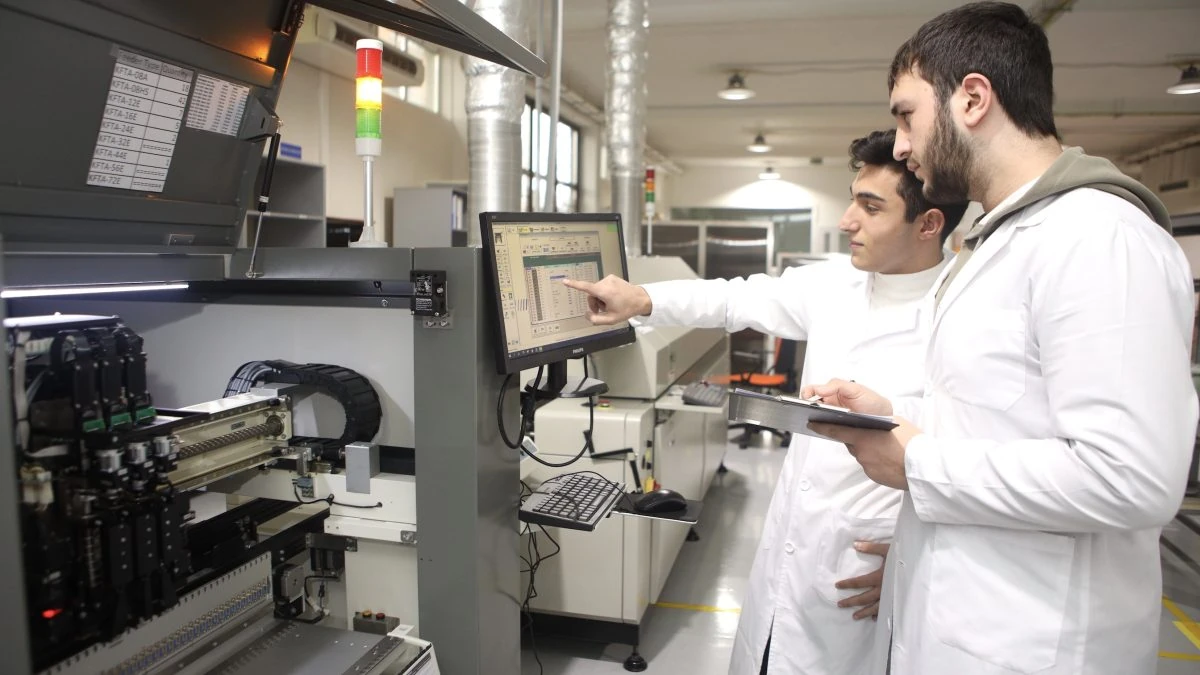
Գարիկն ու Վահանը դասընթացին մասնակցելու ընթացքում տեղեկացել են, որ «Ինժեներական քաղաք»-ում գործող արտադրամասում առկա է թափուր հաստիք՝ տպասալերի ավտոմատացված հավաքման հոսքագծի օպերատոր, և ցանկության դեպքում կարող են դասընթացին զուգահեռ մասնակցել նաև արտադրական պրակտիկայի։ Երիտասարդներն ավարտել են պրակտիկան և աշխատանքի անցել։
Դասընթացն ու աշխատանքային պրակտիկան նրանց համար կարևոր դեր են ունեցել նաև նեղ մասնագիտական կողմնորոշման համար։ Ոլորտի վերաբերյալ զրույցի ընթացքում շեշտում են, որ այն դինամիկ զարգացող է, անդադար նոր բաներ են ի հայտ գալիս, և սովորելու շատ բան ունեն։
«Մենք դեռ սկզբում ենք, պետք է ուսումասիրել արտադրական գործընթացը, լինել տեղեկացված նորարարությունների, առավելությունների, ինչպես նաև թերությունների ու խնդիրների մասին»,- ասում է Վահանը։ Վերջինիս խոսքով՝ միայն աշխատելը բավարար չէ, անհրաժեշտ է նաև անընդհատ ինքնակրթվել, ուսումնասիրել ոլորտը։
Վահանը հետաքրքրված է տպասալերի նախագծումով, դիզայնով և ցանկություն ունի շարունակել նեղ մասնագիտացումն այդ ուղղությամբ, բայց շատ կարևորում է արտադրամասում և արտադրական բուն գործընթացքում աշխատելու այս բացառիկ հնարավորությունը։ Նրա խոսքով՝ արտադրական գործընթացի ընթացքում սովորածը հնարավորություն կտա նրանց կողմից հետագայում նախագծվող դետալներում ամեն ինչ մանրամասն հաշվարկել ու գծագրել․ «Երբ արդեն մեր տպասալը կուղարկենք արտադրության, խնդիրներ չեն առաջանա, որովհետև արդեն իսկ խնդիրները լուծված կուղարկենք»,- ասում է Վահանը (ժպտում է)։
Գարիկի խոսքով էլ՝ ճիշտ է, մասնագիտությունն ընտրել է, բայց դեռ վստահ չէ՝ որ ուղղությամբ առաջ կշարժվի։ Մի բանում միայն երիտասարդները վստահ են՝ երբեք չպետք է կանգ առնել, պետք է անընդհատ առաջ գնալ․ «Եթե ինչ-որ բան համառությամբ շարունակում ես անել, հասնում ես արդյունքի»,- զրույցն ամփոփում է Գարիկը։
To view this article in Telegram please click here.
Community News Corner
EC Journal Articles on Telegram
You can now read some of the EC articles as they get written on the following Telegram channel: