It provides educators, schools, universities, and businesses with a customizable platform to create secure online courses, upload materials, manage assignments, track grades, and facilitate student communication.
But Moodle will not only increase the productivity of managing the teaching, learning, and grading of our Talent Development System (TDS). It will also allow for collecting data digitially – data that could be later fed into AI and elevate the TDS to new potentialities.
It must be said that the current data and feedback collection from our TDS are painfully archaic. Introducing Moodle will be a step towards digitizing the process of teaching, learning, and grading in the TDS.
Ինժեներական քաղաքի կրթական էկոհամակարգը՝ նոր թվային հարթակում. Moodle-ի ներդրումը
by Narine Margaryan, IB-TDS
A Learning Management System
It provides educators, schools, universities, and businesses with a customizable platform to create secure online courses, upload materials, manage assignments, track grades, and facilitate student communication.
Ինժեներական քաղաքում կրթությունն ու տեխնոլոգիական զարգացումը միմյանց հետ
փոխկապակցված են։ Մեր կրթական ծրագրերի ընդլայնման, դրանց մասշտաբայնացման և
որակի շարունակական բարելավման պահանջը մեզ առաջնորդեց մի նոր, կարևոր քայլի՝
կրթական գործընթացի ամբողջական թվայնացմանը։ Ուրախ ենք տեղեկացնել, որ այսուհետ
Ինժեներական քաղաքի ուսումնական ողջ գործընթացը համակարգվելու է Moodle հարթակի
միջոցով։
Ինչո՞ւ Moodle և ո՞րն է մեր նպատակը
Կրթական ծրագրերի զարգացող համակարգը պահանջում է ճկուն, համակարգված և
արդյունավետ կառավարման գործիքներ։ Moodle-ի ներդրումը ոչ թե պարզապես տեխնիկական
փոփոխություն է, այլ ռազմավարական քայլ՝ ուղղված կրթական միջավայրի արդիականացմանը։
Մեր հիմնական նպատակներն են՝
Կրթական գործընթացի կենտրոնացում. Ապահովել միասնական հարթակ, որտեղ հասանելի կլինեն Ինժեներական քաղաքի բոլոր դասընթացները։
Նորարարությունների հեշտ ինտեգրում. Թվային համակարգը հնարավորություն կտա արագ կիրառել նոր մեթոդաբանություններ և բովանդակային փոփոխություններ։
Թափանցիկություն և կառավարելիություն. Ստեղծել կրթական հստակ ժամանակացույց՝ դասախոսների և ուսանողների համար՝ բացառելով տեղեկատվական բացերը։
Ի՞նչ է փոխվում դասախոսների և ուսանողների համար
Այս համակարգը կոչված է առավելագույնս հեշտացնելու կրթական գործընթացի մասնակիցների
առօրյան՝ այն դարձնելով ավելի կազմակերպված և արդյունավետ։
Դասախոսների համար.
Moodle-ը դառնում է դասավանդման գլխավոր գործիքակազմը։ Դասախոսները կարող են իրենց
կուրսերը հարստացնել անհրաժեշտ նյութերով, կառուցվածքային պլաններով և գործնական
առաջադրանքներով։
Կարևոր է, որ նյութերը հասանելի են դառնում նախապես. դասից առաջ տեղադրված նյութերը
ուսանողներին հնարավորություն են տալիս գալ լսարան՝ արդեն պատրաստված, ինչը
դասապրոցեսը դարձնում է ավելի քննարկումային և խորը։
Ուսանողների համար.
Ուսանողներին Moodle-ը հնարավորություն է տալիս.
Պլանավորել ժամանակը. Առաջադրանքների դեդլայնները ավտոմատ երևալու են
անձնական օրացույցում՝ օգնելով ավելի լավ կառավարել ծանրաբեռնվածությունը։
Պատրաստվել քննություններին. Միջանկյալների օրերը և բոլոր անհրաժեշտ նյութերը
միշտ ձեռքի տակ են, ինչը հնարավորություն է տալիս սկսել նախապատրաստական
աշխատանքները շատ ավելի վաղ։
Կրթական պատասխանատվություն. Առաջադրանքների հանձնումը դառնում է
պարտադիր և կանոնակարգված, ինչը զարգացնում է ինքնակարգապահության
հմտությունները։
Քայլ դեպի ապագա
Moodle-ի ներդրումը Ինժեներական քաղաքի զարգացման հերթական փուլն է։ Մենք հավատացած
ենք, որ թվայնացված կրթությունը նախապայման է ոչ միայն ժամանակակից ինժեներ
պատրաստելու, այլև հենց կրթական էկոհամակարգը մշտապես կատարելագործելու համար։
Մեր կրթական ծրագրերը զարգանում են, և այս համակարգը դառնալու է այն հիմքը, որի վրա մենք
կառուցելու ենք մեր ապագայի հաջողությունները։ Բարի գալուստ Ինժեներական քաղաքի նոր
թվային կրթական դարաշրջան։
Հարթակին միանալու մանրամասների համար հետևեք մեր ներքին ծանուցումներին։
The Hamburger as an Education Model
by Rama, Engineering Association
Pic.The Hamburger
The Hamburger – beautiful, delicious, complete, and most importantly incredibly attractive and interesting. It is a delight to look at it, and it is a delight to consume it.
In the Hamburger you find the meat (some times two layers of meat), tomatoes, lettuce, cheese, onion, and bread. The most important is the meat, but the meat does not come alone. It is surrounded with a full range of vegetables and other ingredients.
How does the Hamburger differ from a traditional meal? In a traditional dish, you will find the meat sitting alone, and besides it you will find the tomato, the lettuce, the onion, ... The eating of the traditional dish is sequential – first a bite of the meat, then perhaps a bite of the tomato, and so forth. In the case of the Hamburger, all of it is included in the bite. Meaning, that every bite contains a whole meal.
This is how a student project in the Engineering City should look like. And perhaps every lecture too.
The project should not only cover the technical side, but also, the system side, the contextual side, the market side, the finanical side, the business side. It should tell the student why the company is working on this project, how this project came to the company, how the processes within the company are organized, who were the competitors, and so forth.
The technical side is the meat which is in the center of the project. But it must be surrounded by all the other aspects. This makes the project grounded in real life and turns the student project into an industry project. And it is this that makes the TDS an IB-TDS. Otherwise, the project remains just a student project and no future engineering leaders are being prepared.
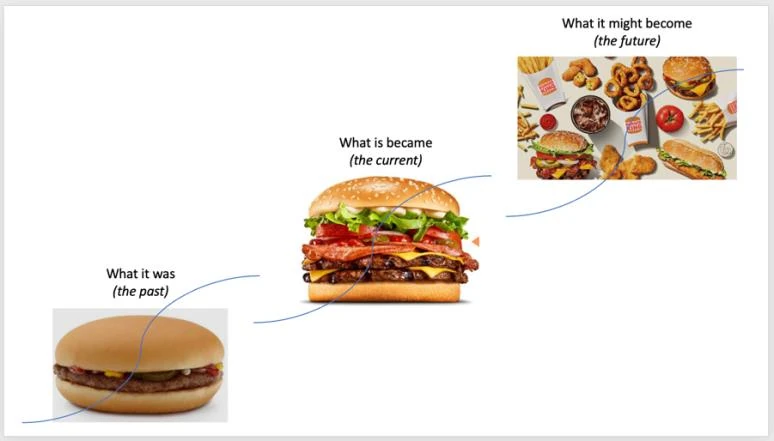
In addition, the project must be grounded in the history of the project. What former project proceeded it, and what possible project may come after it? This will give the sense of evolution in time.
Pic.The Evolution of the Hamburger.
So, in summary, the project must be grounded in both reality and history besides the technical part. This will make the learning both interesting and real. And this is how every project will be preparing future engineering leaders.
From Research Papers to Practical Innovation – A Shift in the PhD Degree Regulations in China
China has introduced a major reform that allows some engineering students to earn a PhD by creating real-world innovations instead of submitting a traditional dissertation.
Under a law passed in 2024, Doctoral Candidates can now be evaluated on working prototypes, industrial technologies, engineering projects, or technical systems, alongside a written report and an oral defense.
One of the first graduates under the new system is Zheng Hehui from Southeast University in Nanjing.
Instead of presenting a lengthy thesis, Zheng earned his doctorate by developing reinforced steel, Lego-like blocks that snap together to form bridge pylons. His invention is already being used in a major cable-stayed rail and road bridge spanning the Yangtze River.
The reform marks a significant shift in China's approach to higher education, emphasizing practical innovation over purely academic research.
It is designed to produce engineers who can solve real industrial challenges and contribute directly to technological development rather than focusing primarily on publishing research papers.
The initiative is also part of China's broader strategy to strengthen its technological independence amid growing global competition and trade tensions.
By encouraging application-driven research, the country aims to accelerate progress in key sectors such as semiconductors, artificial intelligence, nuclear technology, and advanced manufacturing.
The changes are already gaining momentum across the country.
At least 59 Chinese universities have revised their Doctoral Degree regulations, and the practical PhD model is expanding beyond engineering into disciplines including agriculture and even creative writing, reflecting a wider shift toward skills-based education.
The reform also addresses long-standing concerns about China's academic publishing culture. Years of pressure to "publish or perish" fueled widespread misconduct, including the rise of paper mills that sold ghostwritten studies and fabricated research.
Since 2020, China has reduced the emphasis on publication counts, ended cash rewards for academic papers, and introduced strict penalties for research fraud, paving the way for a more innovation-focused doctoral system.